
Start with Desert Blend
Compare it first for an all-around home lawn with familiar cool-season character.
See Desert Blend →Five grasses · one local climate
Use the table and product guides to weigh summer heat, water priorities, traffic, winter color, and current-pricing expectations.
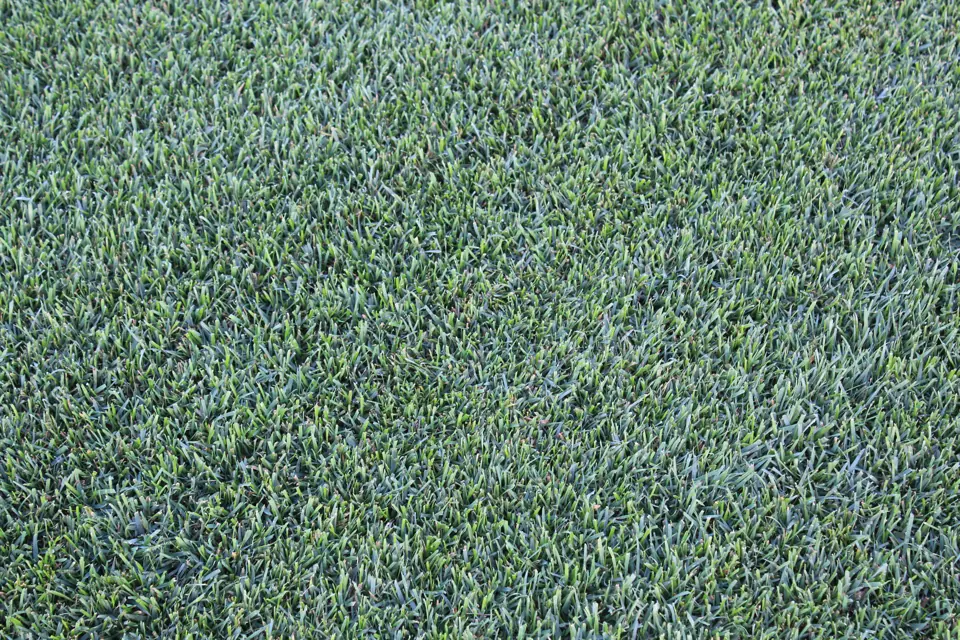
Compare it first for an all-around home lawn with familiar cool-season character.
See Desert Blend →RTF keeps cool-season character; Desert Bermuda trades winter green for maximum drought tolerance.
Compare the tradeoffs →Both emphasize recovery and traffic, but they differ sharply in season, water position, and winter appearance.
Start with HGT →| Grass | Starting fit | Water position | Season | Winter appearance | Risks / tradeoffs |
|---|---|---|---|---|---|
| Desert Blend | Home lawns that need a balanced, familiar look | Moderate; the tall fescue component develops deeper roots | Cool-season blend; strongest growth in spring and fall | More cool-season color than Bermuda | Its fescue-led feel differs from classic soft bluegrass; full-sun heat still calls for irrigation and coverage checks. |
| Desert Blue | Comfortable residential lawns and classic bluegrass character | Cool-season irrigation; verify coverage and the peak-summer schedule | Cool-season grass; strongest growth in spring and fall | More cool-season color than Bermuda | Its soft bluegrass look takes close summer irrigation; Kentucky bluegrass can develop summer patch, so diagnose brown areas before treating them. |
| HGT Desert Blue | Active lawns where recovery and durability matter | Balanced bluegrass care; confirm the seasonal schedule | Cool-season grass; strongest growth in spring and fall | More cool-season color than Bermuda | Still Kentucky bluegrass: its improved heat and traffic traits do not remove summer irrigation or disease-monitoring needs. |
| RTF Water Saver | Homeowners prioritizing lower water use and repairability | Up to 30% less than comparable cool-season grasses, per Barenbrug | Cool-season grass; strongest growth in spring and fall | More cool-season color than Bermuda | The up-to-30% comparison is for an established lawn, not new sod; confirm that the site's shade and fescue texture suit you. |
| Desert Bermuda | Sunny Washington County lawns, sports fields, and high-wear areas | About 60% less than Kentucky bluegrass in a USU Extension hybrid-Bermuda comparison; results vary | Warm-season grass; strongest growth in summer heat | Tan during cold dormancy | Needs full sun, turns tan during winter dormancy, and needs mowing during vigorous summer growth. |
These figures compare established grass types under the cited conditions; they are not a promised saving for a particular yard. There is no verified weekly-inch range for each RDS product. New sod needs establishment watering; actual use depends on soil, season, sun, and sprinkler output. Use the USU St. George grass calendar for local seasonal context, not as a product-specific watering prescription. Sources: Barenbrug RTF Sod; Utah State University Extension grass research.
For the tradeoffs, see USU grass-variety guidance, USU summer-patch guidance, and Barenbrug HGT sod details.
Year-round production
Red Desert Sod operates year-round, and sod is available year-round when weather and field conditions allow. Southern Utah's warmer seasons allow cutting on most days, but freezing conditions, snow, heavy rain, or unsafe field conditions can stop harvesting. The farm confirms the actual variety and cut date for each order.
Swipe or scroll to browse all five varieties.
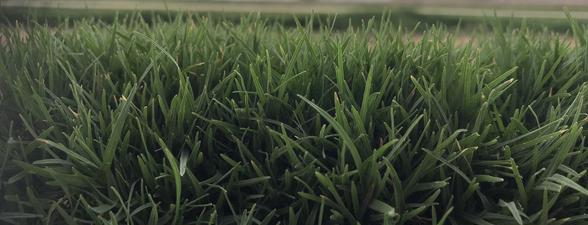
All-around home lawn
A 90% tall fescue and 10% Kentucky bluegrass blend built around deep roots, density, and repair.
Best fitHome lawns that need a balanced, familiar look
TradeoffIts fescue-led feel differs from classic soft bluegrass; full-sun heat still calls for irrigation and coverage checks.
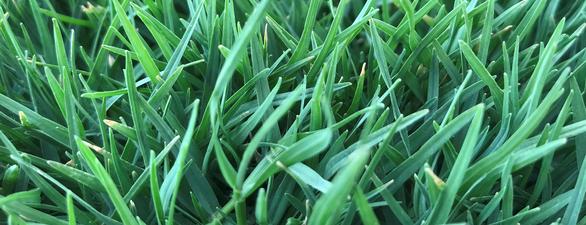
Classic bluegrass option
A traditional Kentucky bluegrass blend selected for classic bluegrass color, softness, and value.
Best fitComfortable residential lawns and classic bluegrass character
TradeoffIts soft bluegrass look takes close summer irrigation; Kentucky bluegrass can develop summer patch, so diagnose brown areas before treating them.
Heat + traffic tough
An improved bluegrass developed for disease resistance, traffic, and warmer transition-zone conditions.
Best fitActive lawns where recovery and durability matter
TradeoffStill Kentucky bluegrass: its improved heat and traffic traits do not remove summer irrigation or disease-monitoring needs.
Deep roots · self-repair
A patented rhizomatous tall fescue that spreads below the soil. Barenbrug reports up to 30% less water use than comparable cool-season grasses.
Best fitHomeowners prioritizing lower water use and repairability
TradeoffThe up-to-30% comparison is for an established lawn, not new sod; confirm that the site's shade and fescue texture suit you.
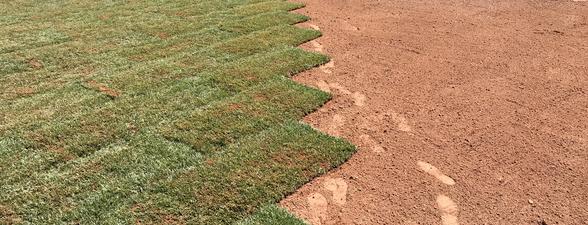
Maximum drought tolerance
An advanced hybrid Bermuda selected for Washington County heat, high repairability, and easier containment than common Bermuda.
Best fitSunny Washington County lawns, sports fields, and high-wear areas
TradeoffNeeds full sun, turns tan during winter dormancy, and needs mowing during vigorous summer growth.